Trusted Roofers Ventura CA
Need a reliable Ventura roofing expert? Select a licensed and insured contractor who knows coastal conditions like salt air and wind, utilizes high-quality fasteners, SBS shingles, and weather-resistant flashings, and checks adequate attic ventilation. Expect a detailed photo inspection, complete moisture checks for each slope, and clear recommendations: fix versus partial replacement. Require Title 24/code compliance, HOA authorization, comprehensive estimates, and formal warranties for work and materials. Steer clear of aggressive selling and unclear quotes. We'll also show you how proper timelines, clear communication, and scheduled maintenance maintain your roof working effectively.
Critical Insights
- Local Ventura specialists implementing marine-grade fasteners, anti-corrosion flashings, and SBS shingles tailored for marine climates addressing storms, salt spray, and high winds.
- Detailed assessments of roof, flashing, attic ventilation, and gutters, complete with comprehensive documentation and priority assessment.
- We offer repair options including specific repairs to partial roof renovations, based on comprehensive evaluations using adhesion tests, moisture probes, and slope-by-slope assessments.
- Our clear process includes itemized quotes, timeline milestones, daily photo updates, warranty coverage, and clean jobsite closeout.
- Complete compliance with Ventura regulations, California Code, Title 24, WUI specifications, and HOA approvals to safeguard warranty coverage and future sales.
Why Local Expertise Matters in Ventura's Coastal Climate
Although any contractor can put on shingles, a local Ventura expert understands how ocean air, sea breezes, marine moisture, and winter storms affect roofing systems here. You must have specifications adapted for coastal salt damage and ongoing corrosion. An experienced professional selects marine-grade fasteners, SBS-modified shingles, and corrosion-resistant flashings, then configures underlayments to manage wind uplift and moisture intrusion. They customize critical roof components to stop capillary action, and they create airflow to control humidity from marine layers without reducing thermal performance.
You'll get maintenance solutions that neutralize salt films, coordinate rinses when winds subside, and monitor sealants that break down faster near the coast. When fixes are necessary, they schedule work around tidal activity, morning fog, and ocean winds to guarantee materials cure and adhere properly.
Critical Signs Your Roof Demands Professional Assessment Without Delay
It's crucial to handle ongoing roof leaks, visible depressions, and widespread shingle issues as critical indicators for action. Look for water marks after rainfall, uneven surfaces, soft spots in decking, and damaged or absent shingles, with granule buildup in gutters. Should you observe any of these issues, arrange for an expert assessment immediately to isolate the source, prevent structural damage, and map out targeted repairs.
Continuous Roof Water Issues
Sometimes a roof leak appears as more than a drip-it forms a pattern. If you see expanding stains, bubbling paint, or discolored ceilings following rainstorms, you're experiencing persistent leaks, not random seepage. Check your attic for dampness, mildew odors, and saturated insulation-these are signs that water is tracking along structural elements. On the exterior, inspect for deteriorating flashing around chimneys, skylights, and wall joints; damaged or corroded metal allows rain to bypass your shingles.
Don't delay. Record where leaks are occurring, then book a professional inspection incorporating moisture mapping, specific hose testing, and a review of structural components. A professional Ventura roofing crew will repair or replace failing flashing, restore shingle areas, and tackle ventilation issues causing condensation. Prompt, precise repairs stop mold, insulation damage, and mounting interior problems.
Sagging or Dips
A bowing roofline, dips between rafters, or wavy ridge appearance, it's an urgent structural red flag that needs immediate assessment. You're likely witnessing structural sagging caused by compromised framing, inadequate rafters, spans that are too long, or water-damaged sheathing. Poor ventilation in the attic makes matters worse by trapping heat and moisture, which speeds up wood decay and corrodes fasteners.
Act quickly. Book a comprehensive inspection to check load paths, analyze deflection, and examine sheathing, ridge, and truss connections. A qualified Ventura roofing team can stabilize framing, support rafters, install purlins, or put in ridge beams where calculations specify. They'll upgrade compromised decking, correct ponding areas, and reestablish uniform plane. Lastly, optimize attic ventilation with balanced intake and exhaust to regulate temperatures and minimize moisture. Prompt repairs safeguard your home, insurance standing, and resale value.
Understanding Shingle Damage Spread
Even though a few scattered imperfections may look small, recurring signs of shingle problems point to growing threats demanding swift intervention. As deterioration expands, water penetration routes expand, wind resistance decreases, and the protective underlayment begins to fail.
Watch for obvious progression: loose granules leading to bare spots, edges curling at eaves and rakes, cracks radiating near fasteners, and raised courses due to sealant failure. Color variations typically mark capillary leaks, while weak spots indicate saturated decking. If you spot shingles out of alignment after windy conditions, the bond line has typically weakened, risking blow-offs.
Take action now. Survey and record problem areas including slopes, valleys, and penetrations. Our team will complete a thorough evaluation of each slope, test adhesion, probe flashing, and detect water infiltration. Following this, we'll stop active leaks, replace compromised shingles, renew protective sealing, and identify sections needing replacement before structural repairs become necessary.
What's Included in a Professional Roof Inspection
Start with a clear strategy: a thorough roof inspection begins with a top-to-bottom assessment of safety measures, building structure, and weather conditions. We'll secure ladders, verify anchorage points, and document conditions before accessing the roof. We provide a detailed examination: we assess shingle conditions, flashing integrity, penetration points, and ridge cap status, identifying storm wear, ultraviolet degradation, and fastener failures.
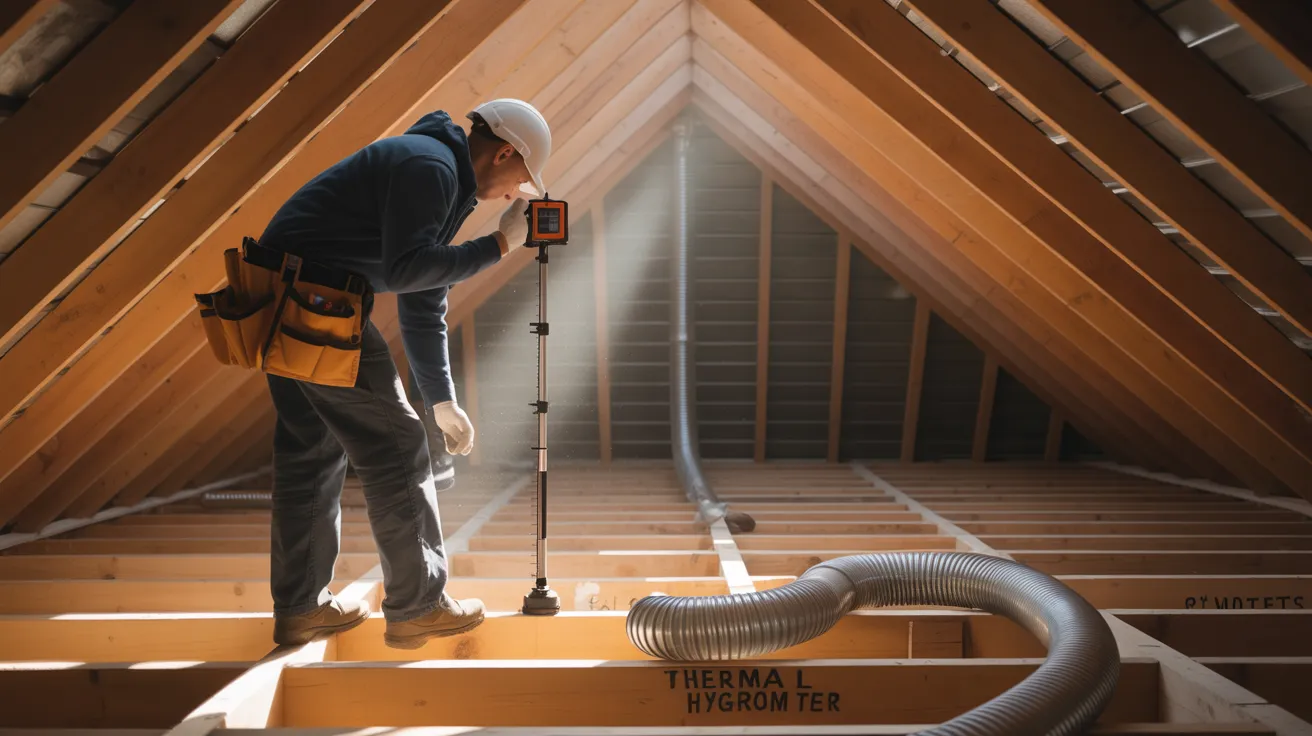
Our inspection includes attic ventilation to verify sufficient ventilation flow, helping avoid heat buildup and condensation. We employ humidity detection to trace leaks, thoroughly examining structural components and materials for underlying problems. Gutters and downspouts are evaluated for correct alignment and debris. Every discovery is photographed and mark priority concerns. Before concluding, we explain risks, timelines, and immediate actions to provide a comprehensive action plan.
Comparing Repair Solutions and Material Options
You'll analyze the choice between a partial replacement by examining the leak's location, deck state, and roof lifespan. You'll then select materials - shingles, tile, or metal - according to weather resistance, structural load, wind rating, and long-term cost. I'll outline when each option makes sense to ensure structural protection, cost efficiency, and maximum lifespan.
Patch vs. Partial Replacement
When roofing problems emerge, determine quickly whether a localized fix will suffice or if sectional replacement delivers superior results and lasting protection. You should examine leak location, moisture mapping, structural integrity, and age of nearby components. Temporary repairs can quickly control current leakage, shield internal areas, and allow opportunity for complete evaluation and insurance claims. Select a patch when problems are isolated, the roof surface is relatively new, and fasteners and flashing test sound.
Select targeted replacement when testing reveals water-logged substrate, degraded materials, or repeated failures along a specific area. Replacing an full surface area restores continuity, coverage validity, and lasting protection. Verify air flow and connection points during the work. Record visual records, test samples, and maintenance records to support claims and ensure fair coverage.
Roofing Materials: Shingles, Tile, and Metal
After evaluating whether a repair patch or section replacement makes sense, the next step involves materials: shingles, tile, or metal—each providing distinct repair approaches, costs, and performance features. Opt for asphalt shingles if you want fast, cost-effective solutions; we fix damaged tabs, fix penetrations, and coordinate granule colors to blend repairs. Tile is perfect for Mediterranean homes; we reset broken pieces, renew underlayment, and check battens for wind protection. Metal provides excellent resilience and energy efficiency; we replace affected panels, reinforce seams, and apply compatible coatings to combat maritime weathering.
In Ventura's oceanfront conditions, it's crucial to install marine-grade fasteners and protective flashing. Be sure to analyze weight requirements, fire safety ratings, and attic airflow requirements. Consider total lifecycle expenses, rather than only upfront costs. We will document all options, plan maintenance schedules, and coordinate repairs based on your availability and suitable weather conditions.
Navigating Building Permits, Local Codes, and HOA Guidelines
Before selecting shingles, consider Ventura's building permit procedures, California Building Code (CBC) standards, Title 24 energy requirements, and any homeowners association rules that govern roof materials, colors, underlayments, and profiles. You'll save time by confirming permit timelines with the city and determining whether your project requires structural, sheathing, or electrical reviews. Check recent code changes affecting cool-roof ratings, attic ventilation, and wildfire-resistant assemblies (WUI). Title 24 may necessitate reflective roofing, designated insulation values, and documented compliance forms.
Contact your HOA as soon as possible for written approval. Send in material specifications, color samples, and roofing specifications to comply with community guidelines. Maintain manufacturer listings, Class A fire ratings, and underlayment specs accessible. Arrange required inspections, maintain site access, and retain final approvals to safeguard warranties and property value.
How Professional Roofers Calculate Repair Costs and Create Estimates
Because pricing should be transparent, reliable Ventura roofers develop comprehensive repair quotes: they examine the roof through physical inspection, capture defects with photos, and break down materials, labor, permits, access, and disposal line by line. You'll receive itemized material costs for underlayment, shingles, fasteners, flashing, and sealants matched to manufacturer specs. Labor rates account for complexity, crew requirements, safety measures, and timeframe, not vague ranges. Pros specify visit fees for diagnostics, then apply them if you proceed. They clarify markup policies that include insurance, procurement, overhead, and scheduling, keeping percentages consistent across line items. Access difficulties-steep slopes, multi-story lifts, or limited staging-are priced explicitly. You'll also receive contingencies for change orders, concealed damage, and projected start time.
Warranties, Guarantees, and What They Really Cover
While a newly installed roof should deliver decades of service, the protection you actually get relies on the specific terms of its guarantees and warranties. You usually get two layers: a product warranty and a installation warranty. The manufacturer's warranty covers flaws in shingles, underlayment, and accessories-often on a depreciated basis-provided they were properly installed and adequately ventilated. It doesn't protect against weather-related damage, walking damage, or poor maintenance.
Your workmanship warranty includes common installation problems including installation components, fastener placement, sealant application, and material connections. Make sure to verify the warranty duration, if it transfers to new owners, and whether interior damage from leaks is covered. It's important to understand which team performs repairs, expected service timeframes, and claim submission procedures. Confirm necessary upkeep requirements and records you must keep to maintain valid coverage. By getting clear written terms, you'll have clarity on who performs repairs, response timeframes, and who covers the costs.
Important Warning Signals When Assessing Roofing Contractors
Before finalizing any contract, look out for red flags that suggest problems: no valid licensing and insurance verification, vague or incomplete bids without comprehensive details, pushy selling techniques like today-only deals, and demands for substantial cash deposits. Be certain to validate the contractor's credentials with California's CSLB and insist on insurance certificates listing you as additionally insured. Avoid rushed estimates that skip proper inspection or exclude critical components like tear-off, underlayment, flashing, and ventilation. Require a comprehensive bid that specifies quantities, materials, and labor costs to eliminate surprise fees. Stay alert to contractors with out-of-state plates, absence of nearby testimonials, or resistance to proper permitting. Confirm the inclusion of written change order processes, waiver of lien provisions, and clear communication channels before giving the go-ahead.
A Comprehensive Guide to Your Repair Timeline
Start by aligning project scope, timeline, and team members so each stage progresses smoothly. Outline the challenges, validate supplies, and establish site accessibility. Set timeline milestones: assessment, budget approval, permissions, material procurement, demolition, base repairs, implementation, task verification, and closing review. Designate leaders for every phase so responsibilities are defined.
Set up communication touchpoints. Begin with a project initiation call to verify expectations, followed by a pre-construction meeting to address safety and logistics, and deliver daily updates about weather, crew status, and progress photos. Log change orders immediately, highlighting impacts on cost and time. Sequence trades and dumpsters to prevent bottlenecks. Factor weather contingencies into the timeline, and maintain backup materials ready.
Finish by delivering a detailed final checklist, warranty handoff, and final verification of work area cleanup and payment.
Proven Maintenance Strategies to Extend Roof Life
Set up a scheduled inspection schedule-twice yearly and after major storms-to locate damaged roofing, loose flashing, or deteriorating sections before they expand. Clean gutters and downspouts clear, and clean off roof debris to avoid standing water, fascia deterioration, and early membrane deterioration. Log each check and cleaning so you can organize repairs and budget strategically.
Routine Inspection Calendar
Consistent roof inspections help prevent simple concerns from developing into costly fixes and maximize your system's service life. Set up a maintenance schedule for semi-annual checkups-one in late spring and a follow-up in early fall-considering Ventura's marine layer, solar impact, and Santa Ana winds. In each visit, verify shingle condition, flashing seals, openings (vents, skylights), attachments, and attic ventilation. Inspect underlayment status at critical junctions, and identify sun-related deterioration, wind uplift, or soft decking. Arrange an immediate spot check after severe weather or other contractor work. Record observations with images, maintain repair records, and monitor material warranties for complete documentation. When you notice persistent problems, book a professional evaluation to identify concealed water issues or structural changes early on.
Gutter Maintenance and Debris Management
Commonly disregarded, well-maintained gutters and debris-free roofs provide essential protection to prevent water damage, decay, and early shingle deterioration in Ventura's coastal climate. Coastal breezes and salt spray deposit debris throughout your roofing system, where standing water backs up under shingles. You can avoid problems by cleaning out leaves, pine needles, and seed pods seasonally and following major weather events.
Install leaf guards to minimize clogging but continue routine checks. Check downspouts discharge freely; add downspout extensions to direct water 4-6 feet from the foundation. Tighten loose hangers, realign sagging read more runs for uniform flow, and repair leaking seams. Prune overhanging branches to reduce debris and abrasion. Rinse gutters and downspouts with a hose to verify unobstructed flow. Record conditions, and arrange professional service for high or complex roofs.
FAQ
Can You Provide Emergency Tarp-Over Services for Storm Damage and Leaks?
Absolutely, we provide emergency tarp-over services following storm damage or leaks. We provide quick assistance, comprehensive assessment, and reliable protective covers to stop active water intrusion. We install emergency coverings around penetrations, valleys, and damaged shingles, and secure edges to prevent wind uplift. We catalog damage, photograph affected areas, and explain next steps for permanent repairs. We provide detailed timeframes, product choices, and financial projections, ensuring your home stays protected until permanent solutions are implemented.
Will You Work With My Insurance Adjuster on Claim Documentation?
Indeed - we connect directly with your insurance adjuster to expedite your insurance claim and documentation. Picture a fax machine roaring like a jet: that's how fast we move. You'll authorize us, provide your policy details, and we'll set up an onsite inspection with the adjuster. We provide photo evidence, measurement reports, repair scopes, and comprehensive estimates following copyright guidelines. We monitor authorizations, clarify codes, and provide regular updates so your claim stays accurate, timely, and fully supported.
What Financing or Payment Plans Are Available for Repair Projects?
Take advantage of flexible payment plans featuring low APR options, customizable term lengths, and easy web-based applications. Additionally, we offer Deferred Payments, enabling you to start work now and make payments upon finishing or throughout the promotional window. You'll receive clear cost breakdowns, no prepayment penalties, and multiple payment methods (credit, ACH, checks). We can package all services and fees into one comprehensive solution and align payment schedules with your insurance disbursements for seamless financial management.
How Can You Control Noise and Debris with Pets and Children in the Home?
Our team minimizes construction debris and noise by implementing organized zones and timing. For example, during a nursery renovation, we ensure pets and children secure in a quiet room, use dust containment barriers at entries, and maintain negative-air scrubbers. You stage materials separate from living areas, implement soft-drop protocols, and limit hammering to scheduled quiet periods. Our team shields vents, close off returns, and conduct magnetic cleaning at regular intervals. Our team delivers daily progress texts so residents can modify schedules and keep everyone safe.
Are Drone Inspections or Infrared Scans Available for Hard-To-See Leaks?
Absolutely. You can schedule Drone inspections and Infrared scans to identify hard-to-see leaks rapidly and without risk. Drones provide precise imagery over roof structures and challenging areas without causing surface wear. Infrared analysis identify hidden moisture by measuring temperature differentials beneath surface materials. I'll provide a comprehensive inspection report, then confirm fixes with a verification scan, minimizing guesswork, costs, and disruption while guaranteeing lasting, code-compliant repairs.
Wrapping Up
You've seen how regional knowledge, comprehensive inspections, wise material choices, and properly filed permits maintain Ventura roofs fortified against coastal wear. Address issues before they escalate; address concerns proactively. Research contractors, require written warranties, and set a realistic timeline to prevent surprises. With consistent maintenance, your roof will save you money-it'll be a protection system. Reach out to a trusted Ventura roofer today, secure a detailed plan, and ensure durable, code-compliant repairs that secure your home for years.